ANZIC Marine Geoscience Masterclass 2025
Climate & environmental influences on carbon cycling in Fiordland, New Zealand.
An unforgettable field & lab experience!
The 2025 ANZIC Marine Geoscience Masterclass is a unique field and lab opportunity to investigate climate and environmental influences on carbon cycling in the stunning fjords of Fiordland, New Zealand. Hosted by the University of Otago, this 12-day immersive program from December 1-12 combines hands-on fieldwork in Doubtful Sound with cutting-edge laboratory analysis at the Otago Repository for Core Analysis (ORCA).
This world-first ICDP and IODP-focused ANZIC Masterclass directly supports the Fjords as Archives of Climate and Environmental Transitions (FACET) initiative, an ICDP proposal to drill New Zealand’s fjord basins and unlock their secrets of carbon cycling and climate change. This Masterclass is designed to simulate a shipboard and laboratory experience, preparing students for future ICDP and IODP opportunities.
Our Masterclass is Happening Now!
Follow the fun and learning on social media (links in footer).
Program highlights
On-board research experience
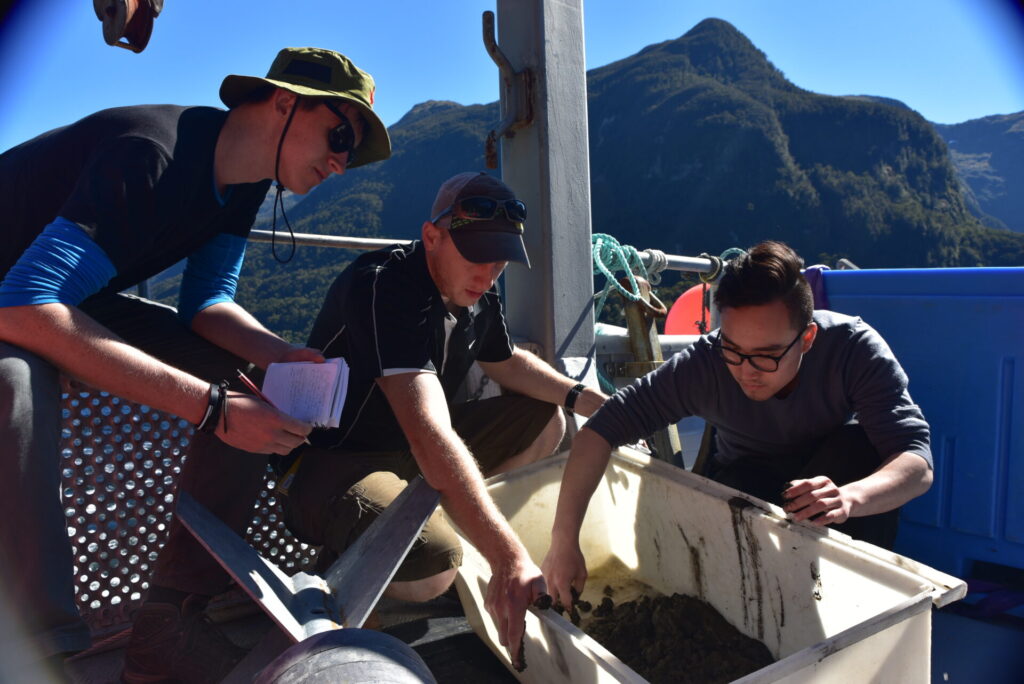
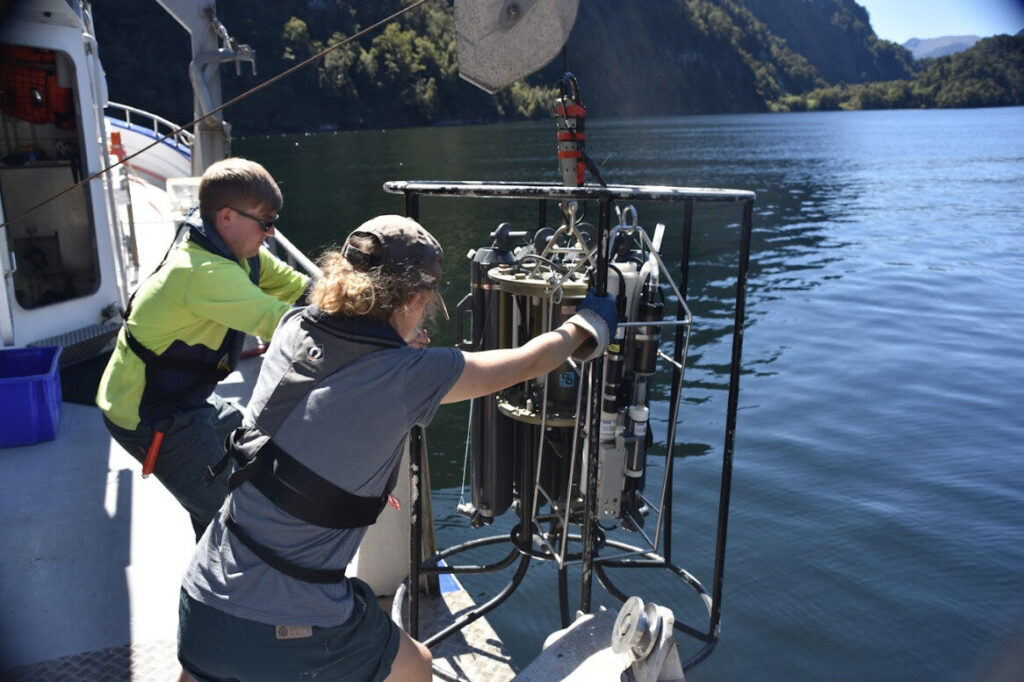
Three days will be spent aboard the University of Otago’s RV Polaris II in breathtaking Doubtful Sound – a prime FACET drilling target – deploying advanced tools (seismic systems, CTD rosettes, and sediment sampling devices such as ponar grab, multicorer, gravity corer, piston corer) to collect seismic data, water column profiles, and sediment samples. Together we will develop cruise plans, explore fjord circulation, and hypothesise how climate change impacts carbon burial.
Master IODP and ICDP techniques
Back at the University of Otago, we will split, describe and process those sediment cores over three days using IODP-standard methods, including non-destructive core scanning on ORCA’s Geotek multi-sensor core loggers and Itrax XRF scanner. Analyse sediment composition, density, and elemental profiles to test your field hypotheses.
Synthesise and present
On the final day, participants will integrate field and lab results to uncover insights into past environmental conditions and carbon sequestration processes. Then present findings in group discussions, honing leadership and communication skills.
Career-building opportunities
Develop technical expertise, foster teamwork, and network with leading scientists, including course leaders Chris Moy, Christina Riesselman, and Andrew Gorman, who bring over 45 years of combined experience in marine geology and geophysics.

Who is taking part?
Nearly 30 talented participants from around the globe have been selected to take part in the 2025 Masterclass.
ANZIC is welcoming a mix of undergraduate and postgraduate students actively enrolled in Earth sciences, geology, geophysics, marine science, and related fields. The Masterclass primarily comprises students from ANZIC member institutions, with select spots reserved for outstanding international participants.
Where? When?
Dates: December 1-12, 2025.
Location: Fiordland and Dunedin, South Island, New Zealand.
Course conveners: Chris Moy, Christina Riesselman and Andrew Gorman (University of Otago).
This exciting opportunity will run again in December 2026.
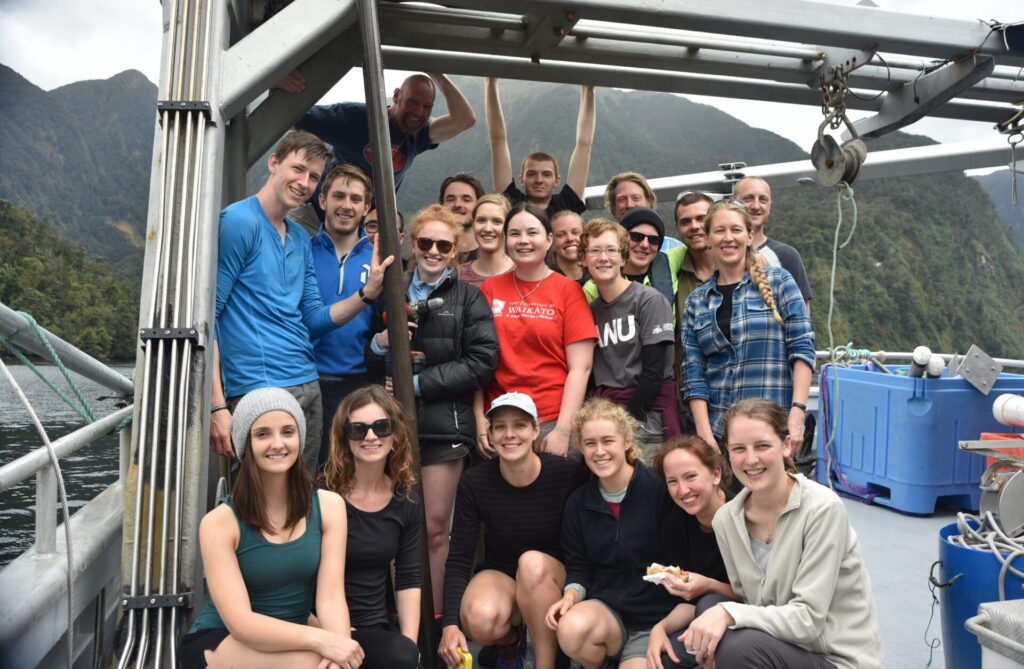
Past participants raved about their experience in the 2016 Doubtful Sound field school:
What’s included
Students from Australian & New Zealand Universities
You will need to ensure that you have insurance from your home institution. For successful applicants, ANZIC provides:
Travel
All travel, including airfares to Queenstown, transfers to Deep Cove in Doubtful Sound, then to Dunedin, and return flights.
Accommodation
Accommodation at the Deep Cove Hostel (Doubtful Sound) and a University of Otago residential college (Dunedin)
Meals
Almost all meals are provided. Some meals you will need to purchase and then claim a reimbursement.
Learning
All course fees, workshops, and expert presentations are included.
Other countries
International sponsorship is available from our scientific ocean drilling partners.
Itinerary
December 1: Arrive in Queenstown, enjoy a welcome dinner and get to know your cohort.
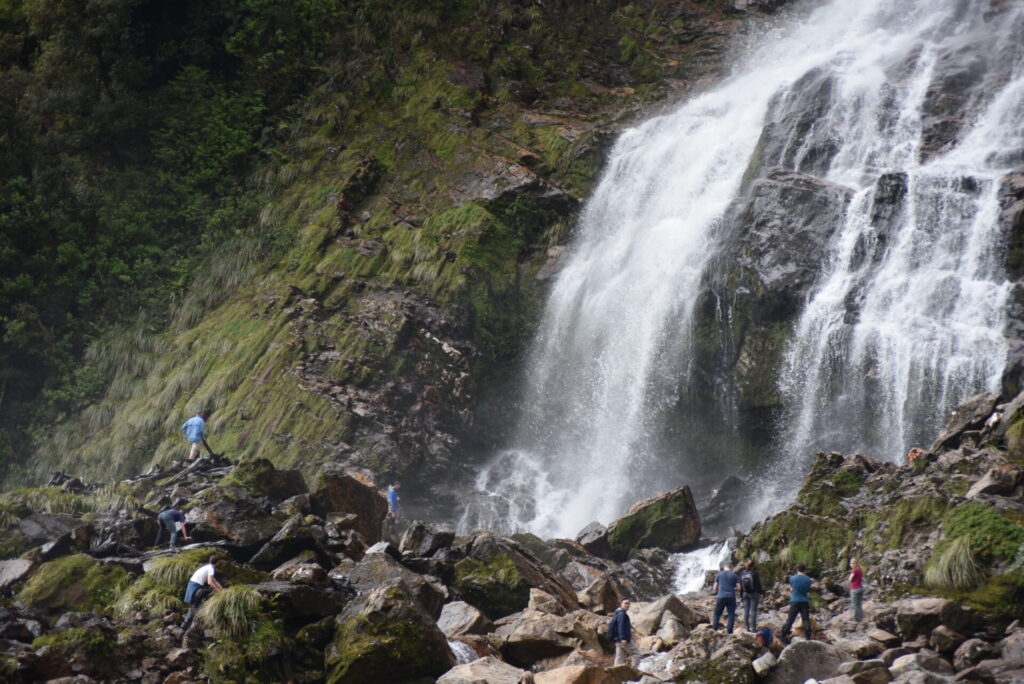
December 2-5: Fieldwork in Doubtful Sound, including three days on RV Polaris II and shore-based excursions.
December 6: Travel to Dunedin
December 7: Rest day and excursion to Albatross colony.
December 8-10: Lab work at ORCA in Dunedin, processing samples and analysing data.
December 11: Group presentations and synthesis discussions, followed by a celebratory dinner.
December 12: Depart from Dunedin airport.