Coring Australasia

Workshop brings together coring campaigns across the region

Australia and New Zealand’s lakes, coastlines and surrounding seafloor hold remarkable records of our region’s environmental, geological and human history. Accessing these deeper archives to answer questions about Earth’s climate, geohazards, ecosystems and human migration requires specialised international coring and drilling infrastructure.

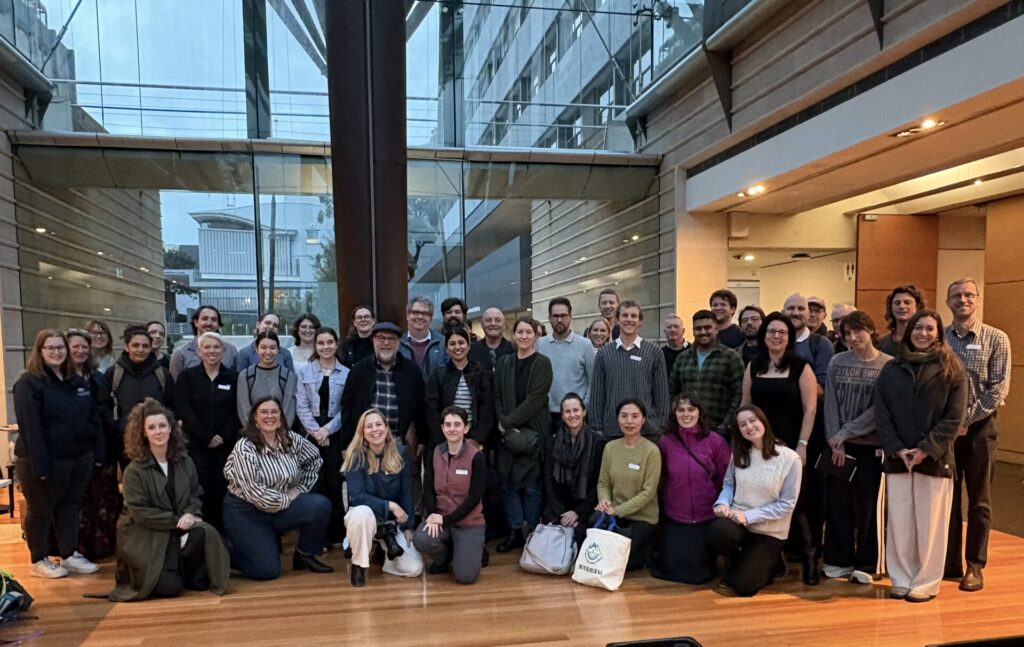
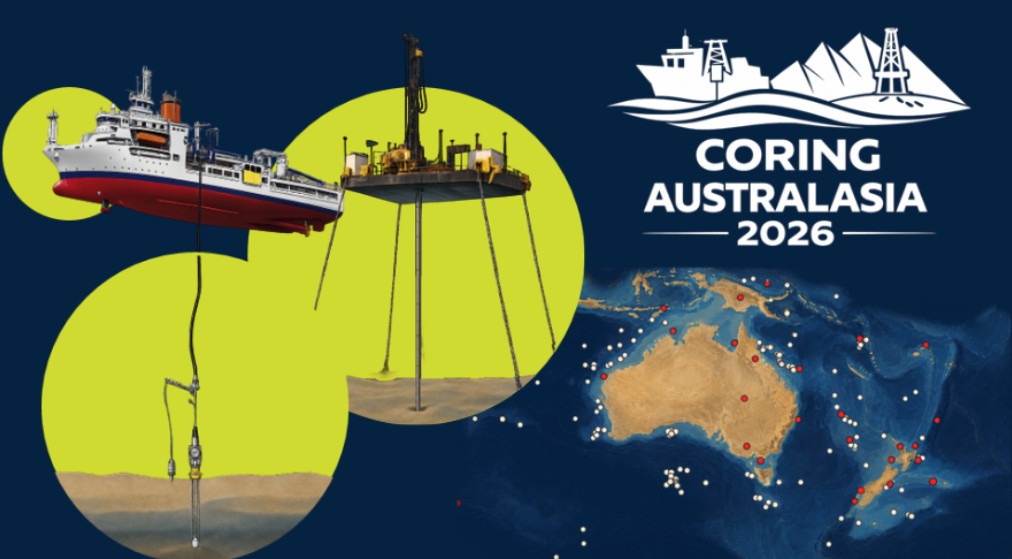
To help turn those scientific ambitions into reality, ANZIC brought together researchers, infrastructure providers and coring experts for the Coring Australasia Workshop in Sydney. Together we focused on opportunities for giant piston coring of new offshore sites and ICDP (International Continental Scientific Drilling Program) lake and coastal drilling, aiming to coordinate multiple local projects to attract international infrastructure to the region.

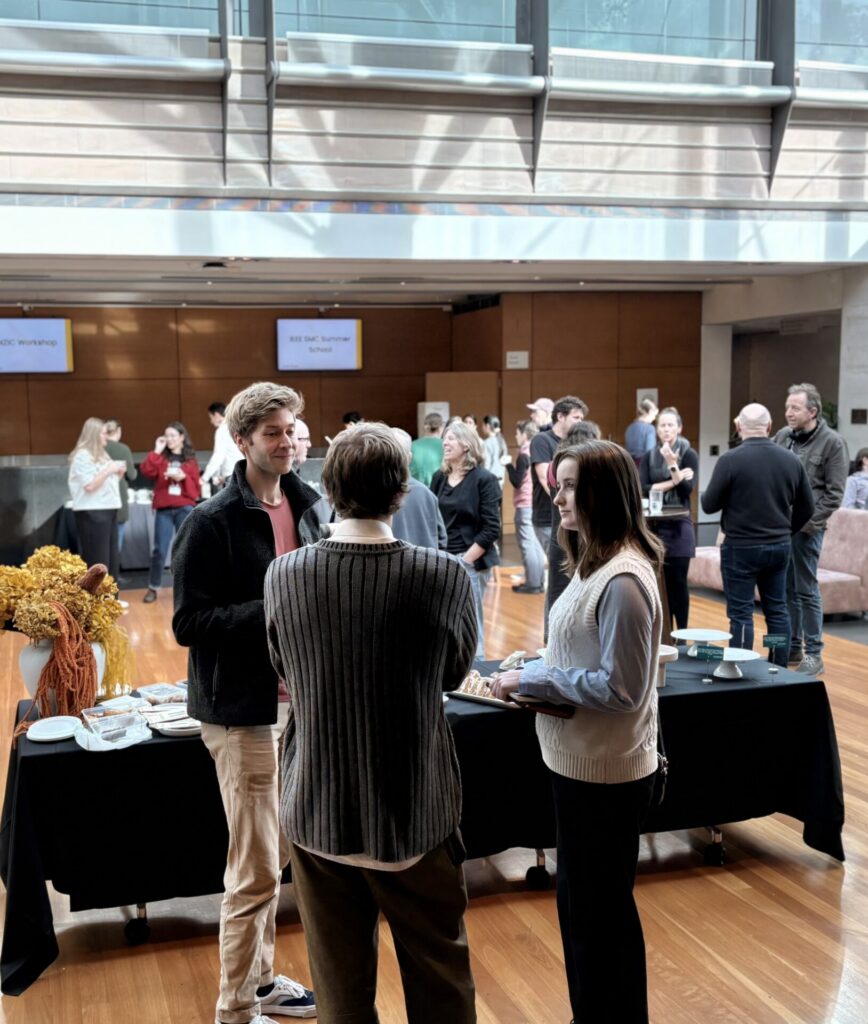
The event was a booked-out success, with more than 90 attendees from across 13 countries and 39 institutes – including some new faces!

All day, the room was buzzing with fascinating ideas, logistical insights and the seeds of new collaborations and proposals.
Science ideas ranged across fields, from charting the migration of Palawa peoples across the Bassian Plains to Lutruwita/Tasmania, to investigating carbon burial in New Zealand’s Fiordland; from submarine avalanches and shelf collapse in Fiji, Australia and New Zealand, to understanding the flow and recharge of Australia’s vast artesian groundwater systems.

ANZIC Director, Ron Hackney, reflected:

“We’re proud to be able to host such a wonderful event, doing what we do best – connecting Australian and New Zealand science to international drilling and coring infrastructure and opportunities. The huge turn out shows how important this infrastructure is for our research communities and their regionally-focused science.”
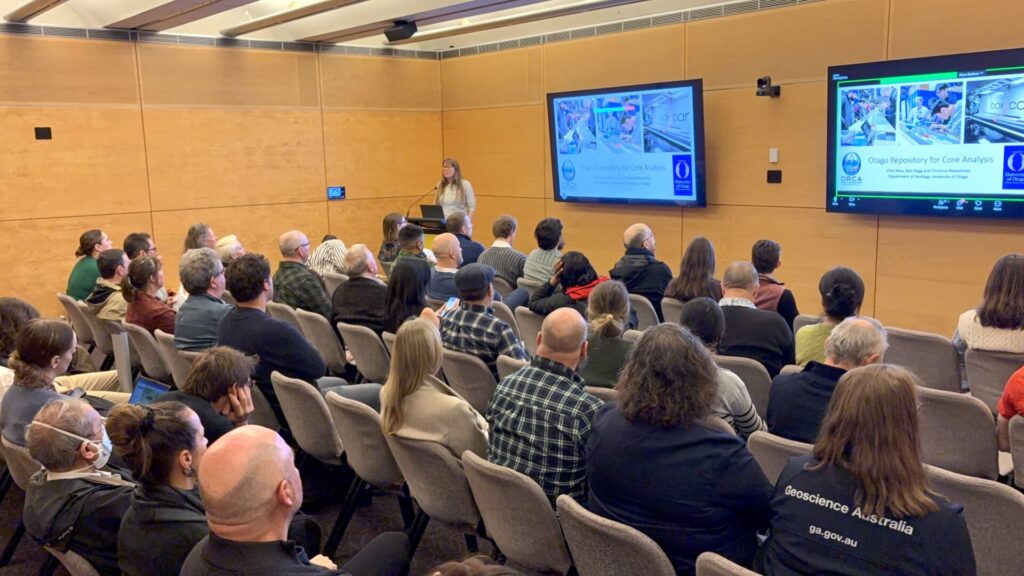
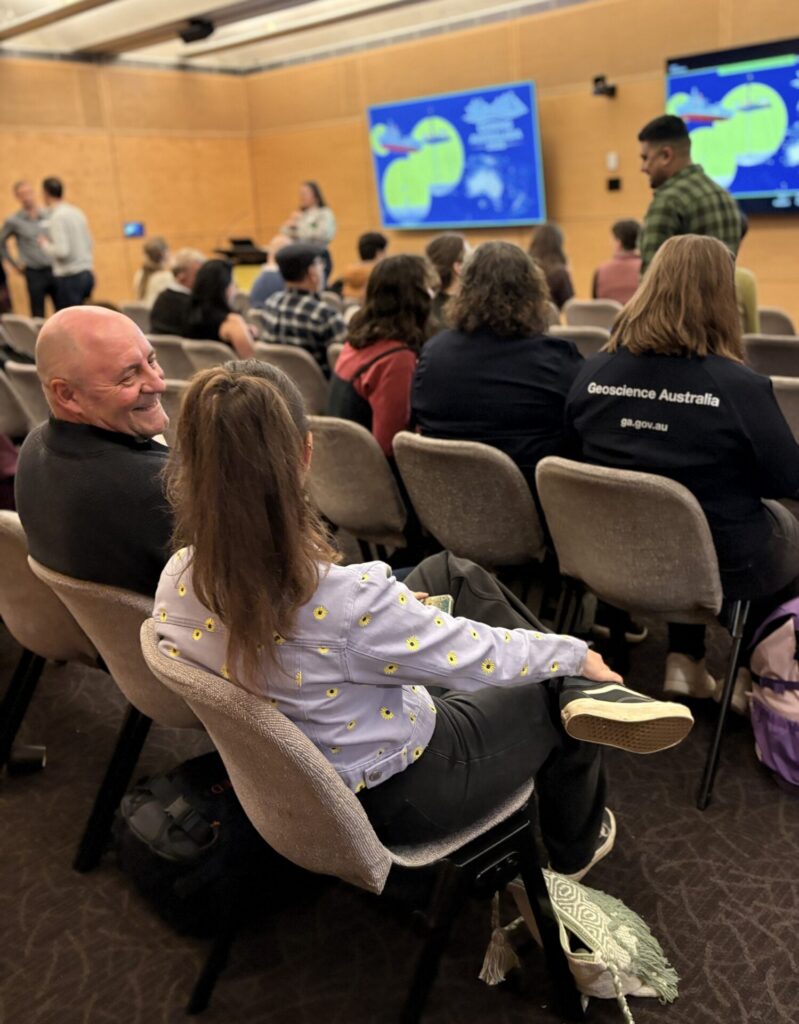
A/Prof Christina Riesselman provided a visual tour of ORCA, with the invitation to host your cores for a full set of physical properties measurements.

The day began with quick but deep dives into available coring and analysis infrastructure, from the Otago Repository for Core Analysis (ORCA) to the giant piston coring capabilities of the JAMSTEC fleet and ICDP’s lake drilling rig (HiPerCoRig). Talks highlighted important constraints and considerations, the site survey data needed before drilling (and where to find it!), as well as practical steps for accessing the infrastructure – exactly the information needed for those present to advance their coring proposals.

We then moved quickly through over a dozen science ideas where cores hold the potential to reveal new insights into tsunami hazard, ocean circulation and biodiversity, paleoclimate and ecosystem change, the global carbon cycle and the history of human migration.

It was wonderful to hear how many of these proposals have been assisted by local indigenous knowledge from the outset, and the ways in which the insights gathered will be valued across cultures.

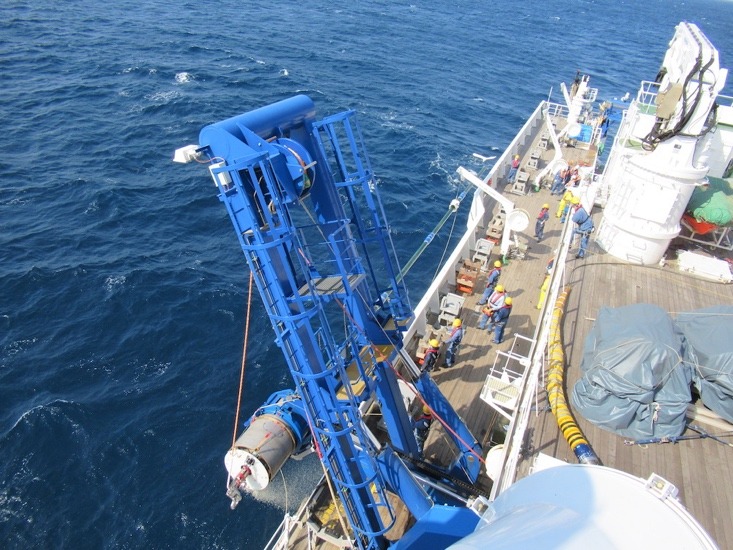
Nobu Eguchi from JAMSTEC introduced us to RV Kaimei, its 40m giant piston coring capabilities and shared invaluable experience on what makes a viable coring site.

From Australia’s North West Shelf to the lagoons off Suva, Fiji; from Auckland’s maar lakes to Lake Kubutu in Papua New Guinea, there are a range of exciting coring targets to continue to investigate and gather into future drilling proposals. We were thrilled to see the massive effort already invested in these projects.

We look forward to supporting everyone along their proposal journey and together attracting global research infrastructure and international talent to help us puzzle some of our region’s pressing problems.

Many thanks to ANZIC Program Manager, Sarah Kachovich, who was the powerhouse behind the event.

You can learn more about the science talks from the Workshop Program, and look out for a compilation of useful information and links discussed in the workshop!